
Not medically reviewed.
Getting started
Does Zepbound need to be refrigerated? A storage guide
Does Zepbound need to be refrigerated? What the FDA label says about fridge temperatures, the 21-day room-temperature allowance, travel, light and freezing.
Last reviewed: November 11, 2026. Sources checked against the Zepbound prescribing information (§16.2, revised 11/2026), the Zepbound Medication Guide (revised 11/2026), and the single-dose pen and single-dose vial Instructions for Use (revised April 2026).
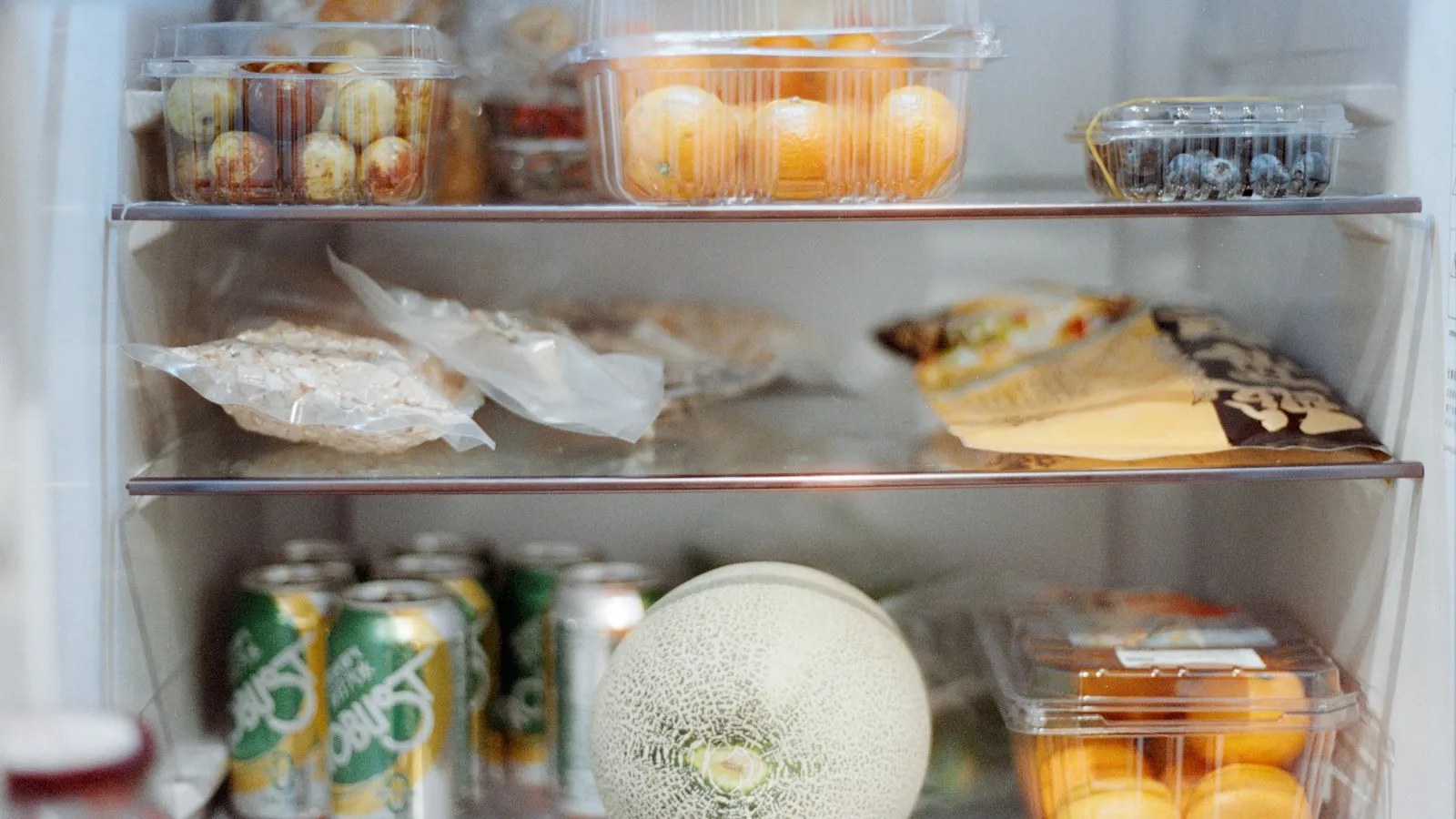
Short answer: yes, Zepbound is meant to live in the refrigerator, but the label gives you a cushion. Single-dose pens and vials can spend up to 21 days in total at room temperature, as long as it's no warmer than 86°F (30°C). This guide explains exactly what the FDA-approved label says, how the newer multi-dose presentations differ, and how to plan for travel, hot days and the freezer. Your pharmacist is the best person to ask about anything the label doesn't cover.
The quick reference
| Single-dose pen | Single-dose vial | |
|---|---|---|
| Where to store | Refrigerator, 36°F to 46°F (2°C to 8°C) | Refrigerator, 36°F to 46°F (2°C to 8°C) |
| Room-temperature allowance | If needed, up to 86°F (30°C) for up to 21 days in total | If needed, up to 86°F (30°C) for up to 21 days in total |
| After that | Throw away after 21 days in total at room temperature | Throw away after 21 days in total at room temperature |
| Freezing | Don't freeze; don't use if it has been frozen | Don't freeze; don't use if it has been frozen |
| Light | Keep in the original carton | Keep in the original carton |
| After use | Single use: goes into a sharps container | Throw away after use, even if medicine is left |
Sources: Zepbound USPI §16.2; Zepbound Medication Guide and IFUs.
Why Zepbound goes in the fridge
The prescribing information sets refrigerator storage at 2°C to 8°C (36°F to 46°F) for the single-dose pen and vial. It also says to protect Zepbound from heat and light and to keep it in the original carton (Zepbound USPI §16.2). These are the conditions the medicine was tested and approved under.
A fridge thermometer is an easy way to check that your fridge stays in that range.
The 21-day room-temperature allowance
The label says that if needed, each single-dose pen or vial can be kept unrefrigerated, at temperatures not above 86°F (30°C), for up to a total of 21 days. After 21 days in total at room temperature, throw it away (Zepbound USPI §16.2).
A few things to notice in that wording:
- "Total" means the days add up. If you're not sure how long a pen has been out, a note on the carton (the date it came out) makes the count easier.
- 86°F is a ceiling, not a target. Room temperature in a hot kitchen, a sunny windowsill or a parked car can be higher.
- The label doesn't say what to do with a pen that went above 86°F. If that happens, call your pharmacist or Lilly (1-800-545-5979) before using it.
Can it go back in the fridge?
The label counts the days at room temperature as a total, but it doesn't spell out more than that. If a pen or vial has been out and you're unsure whether to return it to the fridge or use it, check with your pharmacist.
Do I need to warm it before injecting?
No. The single-dose pen IFU says it isn't necessary to warm the pen to room temperature before you inject (Zepbound pen IFU).
Freezing: the one firm "don't"
Every Zepbound storage section says the same thing: don't freeze Zepbound, and don't use it if it has been frozen. The pen IFU says to throw a frozen pen away and use a new one (Zepbound USPI §16.2; Zepbound pen IFU).
That has two practical consequences:
- In the fridge, keep pens and vials away from any spot that tends to freeze food.
- In a travel cooler, the goal is cold, not frozen. Don't let the carton sit directly against an ice pack.
Before each injection, the IFUs also say to check that the medicine isn't frozen or cloudy, is colorless to slightly yellow, and has no particles (Zepbound IFUs).
Light and handling
- Keep the carton. The label says to store Zepbound in the original carton to protect it from light (Zepbound USPI §16.2).
- Handle pens gently. The pen has glass parts. If you drop it on a hard surface, the IFU says not to use it (Zepbound pen IFU).
- Keep it out of reach of children, along with needles and syringes (Medication Guide).
What about the multi-dose vial and KwikPen?
If your Zepbound is a multi-dose vial or a KwikPen (four weekly doses each), the rules are different (Zepbound USPI §16.2):
- Unopened: store in the refrigerator, where it can be used until the expiration date. If it's kept at room temperature (up to 86°F), throw away an unopened vial or KwikPen after 30 days.
- Once opened (in use): store in the original carton, either in the refrigerator or at room temperature up to 86°F.
- Throw it away after a total of 30 days at room temperature, 30 days after first use, or after 4 weekly doses, even if medicine is left.
The KwikPen IFU adds: don't store the pen with a needle attached, and keep the pen cap on (Zepbound KwikPen IFU). Check your carton to be sure which presentation you have.
Traveling with Zepbound
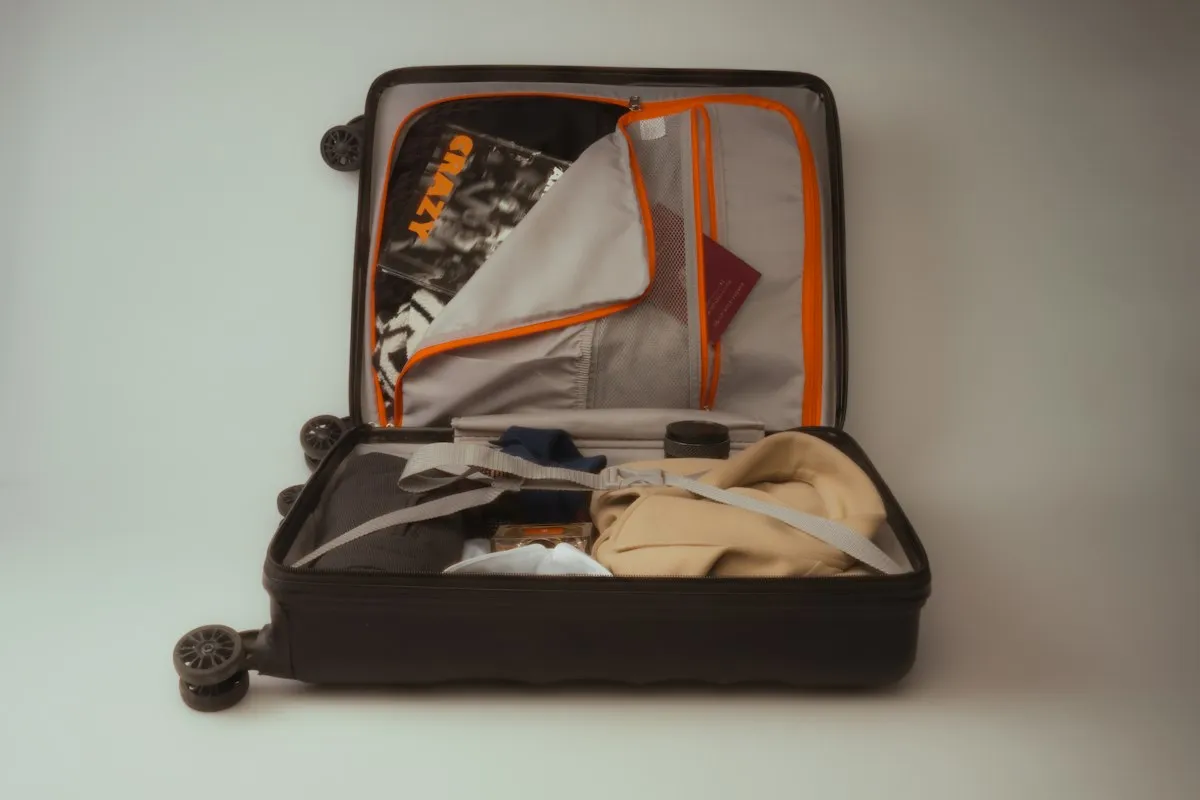
The 21-day allowance gives single-dose users some room on a trip. Some planning steps that line up with the label:
- Count the days. Note the date each pen or vial leaves the fridge, so you can keep track of its 21-day total.
- Watch the ceiling. The 86°F limit matters most in hot climates, cars and sunny rooms. An insulated bag may help in transit.
- Cold but not frozen. If you use a cooler, keep the carton from touching ice packs directly.
- Keep it in the carton for light protection.
- Pack a sharps plan. A small travel sharps container means you don't have to improvise. See FDA's guidance on sharps at home and on travel.
Flying in the U.S.
The TSA says it allows larger amounts of medically necessary liquids in reasonable quantities for your trip, but you must declare them at the checkpoint for inspection (TSA). It also allows unused syringes when they're with injectable medication, again declared at screening, and recommends (but doesn't require) labeled medications (TSA). The final decision rests with the TSA officer. Rules differ abroad, so check with your airline and destination before an international trip.
If a shipment arrives warm
Mail-order deliveries add a step you can't control. The FDA says injectable GLP-1 drugs require refrigeration as their package inserts describe, and it recommends patients not use any injectable GLP-1 that arrives warm or with insufficient refrigeration, because this can affect the drug's quality (FDA). Contact the pharmacy that shipped it and your clinician. Our sister site has a step-by-step guide: if your GLP-1 arrives warm.
FAQ
How long can Zepbound be out of the fridge?
Single-dose pens and vials can be unrefrigerated, at up to 86°F (30°C), for up to 21 days in total. Unopened multi-dose vials and KwikPens kept at room temperature are thrown away after 30 days (Zepbound USPI §16.2).
What happens if Zepbound gets too warm?
The label's limit is 86°F (30°C) and says to protect Zepbound from heat. It doesn't describe what happens above that, so ask your pharmacist or Lilly before using a pen that may have overheated.
What if my Zepbound froze?
Don't use it. The label says not to use Zepbound if it has been frozen (Zepbound USPI §16.2). Contact your pharmacy about a replacement.
Does Zepbound need to be refrigerated before it's opened?
Yes, for all presentations. Single-dose pens and vials have the 21-day room-temperature allowance. Unopened multi-dose vials and KwikPens should be refrigerated and are thrown away after 30 days if kept at room temperature (Zepbound USPI §16.2).
Are Mounjaro's storage rules the same?
Mounjaro, which contains the same medicine, lists the same storage conditions for each matching presentation in its own label (Mounjaro USPI §16.2). Always go by the label for the product you have. For Mounjaro's injection steps, see how to inject Mounjaro.
The bottom line
Keep Zepbound in the fridge at 36°F to 46°F, in its carton, and never let it freeze. For single-dose pens and vials, the label gives up to 21 days in total at up to 86°F when you need it, which is useful for travel. Multi-dose vials and KwikPens follow 30-day rules instead. When something falls outside the label, like a hot car, a frozen pen or a warm delivery, ask your pharmacist before you inject. For injection steps, see our Zepbound injection guide.
Sources
- Eli Lilly and Company. Zepbound (tirzepatide) injection, U.S. prescribing information, §16.2 Storage and Handling. Revised 11/2026
- Eli Lilly and Company. Zepbound Medication Guide (revised 11/2026) and Instructions for Use for the single-dose pen and single-dose vial (revised April 2026), multi-dose vial and KwikPen (revised January 2026)
- DailyMed. Zepbound (tirzepatide) injection label (SPL published September 2, 2026)
- Eli Lilly and Company. Mounjaro (tirzepatide) prescribing information, §16.2. Revised 11/2026
- U.S. Food and Drug Administration. FDA's concerns with unapproved GLP-1 drugs used for weight loss (content current as of 10/01/2026)
- U.S. Food and Drug Administration. Safely using sharps (needles and syringes) at home, at work and on travel (accessed November 11, 2026)
- Transportation Security Administration. What can I bring? Medical (accessed November 11, 2026)
- Transportation Security Administration. Unused syringes (last updated November 16, 2017; accessed November 11, 2026)
More in Getting started
Getting started
Is Zepbound the same as Mounjaro or Ozempic?
Zepbound and Mounjaro share one medicine, tirzepatide. Ozempic is semaglutide. Here's how their approvals, uses, doses and devices compare, per FDA labels.
Getting started
What the SURMOUNT trials showed at each Zepbound dose
What the SURMOUNT trials reported at each Zepbound dose (5, 10 and 15 mg): weight change, side effects and dropouts, from the FDA label. Not dosing advice.
Getting started
How to inject Mounjaro: pen, vial and KwikPen steps
How to inject Mounjaro, per the FDA-approved instructions: where it goes, pen steps, vials and KwikPen, site rotation, and using it with insulin.
Getting startedIllustrative
Where to inject Zepbound, and how to do it step by step
Where to inject Zepbound (abdomen, thigh, back of upper arm), how the pen, vial and KwikPen work, and how to rotate sites, per the FDA-approved instructions.
Getting started
How does Zepbound work?
How Zepbound (tirzepatide) works: GIP and GLP-1 receptors, appetite, stomach emptying, insulin, and why the FDA label supports once-weekly dosing.
Getting started
Where to inject Ozempic, and how to use the pen
Where to inject Ozempic (abdomen, thigh, or upper arm), how to rotate sites, and step-by-step pen and syringe use, from the FDA-approved instructions.
Getting startedIllustrative
Your first month on a GLP-1: a week-by-week guide
Week-by-week guide to your first month on semaglutide or tirzepatide: starter doses, side effects, food habits, and red flags, with FDA-label citations.
Getting started
What are GLP-1 medications? A plain-English guide
A plain-English guide to GLP-1 and GIP/GLP-1 medicines: how they work, how brands differ, what trials and labels say, and what daily life often involves.