
Not medically reviewed.
Nutrition
How much protein do you need on a GLP-1?
Why protein matters during GLP-1 weight loss, what expert advisories discuss for targets, and ways to eat enough when appetite is low. Not a diet plan.
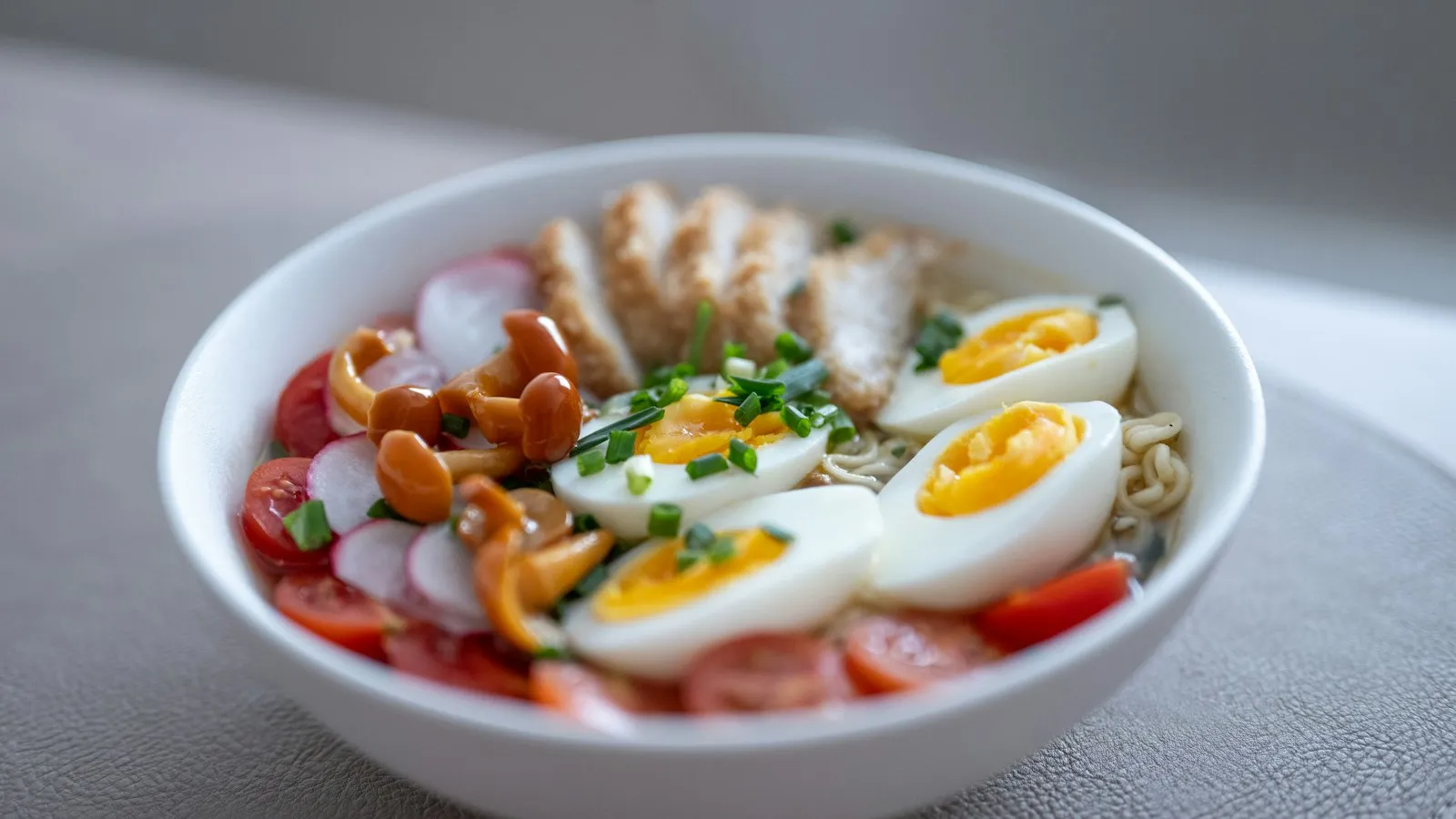
Talk to your clinician or a registered dietitian before setting a personal protein gram target — needs change with kidney disease, age, pregnancy, and other conditions.
Updated October 26, 2026.
Appetite dropping on a GLP-1 can feel like a relief — until chicken breasts look impossible and days slide by on crackers and coffee. Protein is one of the first nutrition priorities experts flag for people using these medicines, especially if you care about strength and function, not only the number on the scale.
Why protein shows up in every serious GLP-1 nutrition guide
Weight loss from any method reduces fat and some lean tissue. In STEP 1, an exploratory DXA substudy found that while fat mass fell substantially with semaglutide 2.4 mg, total lean body mass also decreased (about −9.7% from baseline in that substudy), even as the proportion of lean mass relative to total body mass improved (Wilding et al., NEJM 2021; DXA exploratory analysis, PMC).
The joint ACLM/ASN/OMA/TOS advisory explains that of an average 13.6 kg loss in STEP 1, about 5.3 kg was lean body mass, and that low protein intake plus little strength training can worsen muscle loss risk — especially in older adults and other higher-risk groups (Mozaffarian et al., PMC).
Protein alone is not enough. The same advisory stresses that without structured resistance training, extra protein is unlikely to preserve muscle the way people hope (Mozaffarian et al.). Pair this article with our upcoming strength-training guide and nausea tips if food volume is the blocker.
What targets do experts discuss?
There is no single FDA “GLP-1 protein dose.” Instead, expert groups discuss ranges used in weight-loss care:
- The general adult Recommended Dietary Allowance is often cited as 0.8 g of protein per kg body weight per day, with higher targets such as 1.2–1.6 g/kg/day proposed during active weight reduction (Mozaffarian et al., Obesity Pillars 2026).
- Commentary in Obesity Pillars summarizing a diabetes-and-nutrition symposium mentions strategies that include protein intakes >1.2 g/kg/day, distributed across meals, plus aerobic activity and resistance training (Noronha et al., Obesity Pillars 2025).
- The joint advisory notes debate about whether grams should be based on actual, adjusted, or lean body weight, and mentions practical absolute targets such as roughly 80–120 g/day for some adults as an adherence-friendly framing (Mozaffarian et al.).
Which number is yours? That is clinical. People with chronic kidney disease, for example, may need different limits. Do not copy a social-media gram goal.
When appetite is tiny: make protein the first bite
Counseling themes from the joint advisory and JAMA lifestyle commentary include:
- Eat protein first at meals so limited volume still delivers amino acids (Mozaffarian et al.).
- Spread intake across the day rather than one giant dinner you cannot finish.
- Use lower-volume options when steaks feel impossible: eggs, Greek yogurt, cottage cheese, fish, tofu, skyr, strained yogurt, beans mashed into soups, or clinician-approved protein shakes (Mozaffarian et al.).
- Keep meals small but scheduled so you do not drift into all-day grazing on low-protein snacks (JAMA Intern Med MEAL mnemonic context).
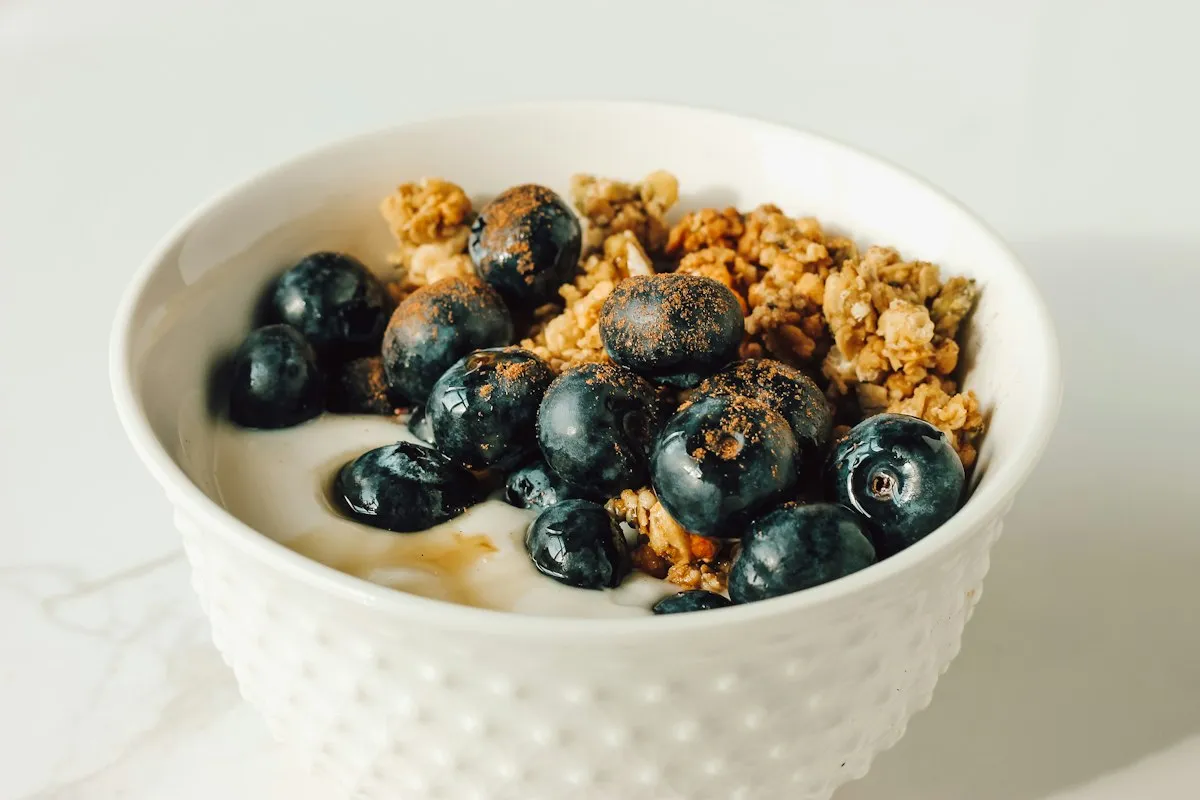
Illustrative day (composite — not a prescription)
Illustrative only: A fictional day with example portions. Protein amounts are calculated from per-100 g values in USDA FoodData Central (FDC IDs in the sources list); real products and portions vary, so check your labels. Your needs may differ.
- Breakfast: plain nonfat Greek yogurt, 170 g (about ¾ cup) ≈ 17 g protein (10.3 g per 100 g), plus berries
- Midday: 2 large hard-boiled eggs (about 100 g) ≈ 13 g (12.6 g per 100 g), or a tofu scramble with 125 g firm tofu ≈ 22 g (17.3 g per 100 g)
- Snack: 2% cottage cheese, 110 g (about ½ cup) ≈ 12 g (11.0 g per 100 g)
- Dinner: 85 g (3 oz) cooked cod ≈ 19 g (22.8 g per 100 g) or roasted chicken breast ≈ 26 g (31.0 g per 100 g), plus vegetables
- Optional shake if dinner was tiny: protein content varies by product, so check the label
These example portions add up to roughly 60–80 g of protein before any shake. That is below the 80–120 g/day absolute-target framing the advisory mentions, which is one more reason to ask a dietitian what amount fits you.
If even this looks like too much food, focus on three protein anchors you can repeat, then expand.
Food quality still matters at lower calories
GLP-1 therapy can cut calorie intake substantially (trial and advisory summaries describe reductions of roughly 16%–39% versus comparison conditions). The joint advisory warns that vitamin and mineral intake can fall short with a large, rapid drop in food intake, especially below about 1,200 kcal/day for women and 1,800 kcal/day for men, and lists iron, calcium, magnesium, zinc, B12, and several other vitamins as nutrients of concern (Mozaffarian et al., Obesity Pillars 2026). Many dietitians suggest making the food you do eat count. The advisory’s list of foods to encourage includes:
- Fruits, vegetables, and whole grains
- Dairy such as yogurt, milk, and cheese
- Lean proteins such as poultry, fish and seafood, and eggs, along with legumes
- Nuts and seeds
The same advisory lists refined carbohydrates, sugar-sweetened beverages, and sweets and savory snacks among the things to minimize, and notes that nausea can trigger cravings for comfort foods made with sugar or refined carbohydrates (Mozaffarian et al.). If that sounds like your nausea weeks, you are not alone — mention it to your dietitian or clinician.
A registered dietitian who understands obesity medications can personalize this better than any article.
Protein and constipation or nausea
High-fat protein foods can slow stomach emptying further and worsen comfort for some people (Mozaffarian et al.). During a nausea flare, leaner, softer proteins usually win. During constipation, pair proteins with fluids and the fiber plan you build with your clinician (see our upcoming constipation guide).
Strength training: the other half of the sentence
JAMA Internal Medicine authors recommend building toward public-health activity goals (for example on the order of 150 minutes/week moderate aerobic activity) and adding resistance training on the order of 60–90 minutes/week, and eventually maintaining 30–60 minutes/day of aerobic activity alongside resistance training 2–3 times/week for long-term outcomes (JAMA Intern Med). The joint advisory recommends strength training at least 3 times weekly plus aerobic activity in the familiar 150-minute neighborhood, customized to ability (Mozaffarian et al.).
If you are new to lifting, start with a beginner plan your clinician clears — bands and bodyweight count.
Signs you should escalate nutrition support
Contact your care team or dietitian if you notice extreme fatigue, rapid hair shedding beyond mild shedding, poor wound healing, fainting, very low urine output, or inability to keep down food for more than a short stretch. The advisory lists several of these as possible clues to inadequate intake (Mozaffarian et al.). These are not diagnoses — just reasons not to wait.
The bottom line
Protein is a priority on GLP-1 medicines because appetite and total calories often fall while lean tissue is at risk. Expert groups discuss higher-than-RDA targets for many adults in active weight loss, always individualized, and always paired with resistance training. Start with protein-first small meals you can actually eat, and get a professional target if you can.
Related
- Managing nausea on GLP-1 medications
- What are GLP-1 medications?
- First 30 days: an illustrative journey
- Strength training while losing weight (coming soon)
Sources
- Wilding JPH et al. Once-Weekly Semaglutide in Adults with Overweight or Obesity. N Engl J Med. 2021.
- Impact of Semaglutide on Body Composition (STEP 1 DXA). PMC.
- Mozaffarian D, et al. Nutritional priorities to support GLP-1 therapy for obesity: a joint Advisory from the American College of Lifestyle Medicine, the American Society for Nutrition, the Obesity Medicine Association, and The Obesity Society. Obesity Pillars. 2026;18:100269 (corrected republication of Obes Pillars 2025;15:100181). doi:10.1016/j.obpill.2026.100269.
- Noronha JC, Van Gaal LF, Neeland IJ, et al. Optimizing GLP-1 therapies for obesity and diabetes management. Obesity Pillars. 2025;16:100222. doi:10.1016/j.obpill.2025.100222.
- Integrating Diet and Physical Activity When Prescribing GLP-1s. JAMA Intern Med.
- U.S. Department of Agriculture, Agricultural Research Service. FoodData Central.
FDC IDs used: 330137 (Yogurt, Greek, plain, nonfat), 173424 (Egg, whole, cooked, hard-boiled), 172475 (Tofu, raw, firm, prepared with calcium sulfate), 328841 (Cheese, cottage, lowfat, 2% milkfat), 171956 (Fish, cod, Atlantic, cooked, dry heat), 171477 (Chicken, broilers or fryers, breast, meat only, cooked, roasted).
More in Nutrition
No other published guides in this topic yet.See every topic.